Solar Projects in Pakistan: A 2026 Guide to Bankable Clean Energy
Solar projects in Pakistan have moved from experimental pilots to serious, bankable investments that power factories, farms, housing societies, and public buildings. With grid tariffs climbing and diesel backup growing painfully expensive, businesses and homeowners now treat solar as core infrastructure rather than a green luxury. In 2026, the question is no longer whether to go solar, but how to design, finance, and deliver a project that actually performs for 25 years.
This guide walks through the real building blocks of a successful solar deployment, from feasibility and system sizing to storage, net metering, and the difference a seasoned engineering partner makes. Whether you run a textile unit in Faisalabad or manage a commercial plaza in Lahore, the fundamentals below will help you avoid costly mistakes.
Why Solar Projects in Pakistan Are Booming in 2026
Pakistan sits in one of the sunniest belts on earth, receiving roughly 5 to 7 kWh of solar irradiance per square metre each day across most of the country. That resource, combined with rising fuel costs, has pushed the payback period for a well-designed system down to three to five years for most commercial users.
The Alternative Energy Development Board has set ambitious clean-energy targets, and policy momentum keeps strengthening. According to the Alternative Energy Development Board, renewable capacity is expected to make up a growing share of the national mix through the decade, and solar leads that charge because it deploys fast and scales cleanly.
The Economic Case Businesses Cannot Ignore
Electricity is now one of the largest line items on a Pakistani manufacturer’s balance sheet. Every rupee saved on grid consumption flows straight to the bottom line. A rooftop or ground-mount array offsets peak-hour tariffs, hedges against future price hikes, and protects operations from load shedding.
For import-heavy sectors, energy stability also protects delivery timelines. A stalled production line during a blackout costs far more than the panels that would have prevented it.
Types of Solar Projects You Can Deploy
Not every installation looks the same. The right configuration depends on your load profile, roof space, budget, and appetite for storage. Explore the range of completed solar projects in Pakistan to see how different sites solved different problems.
- On-grid (net metering): The most popular option. Excess daytime generation feeds the grid and earns credits, cutting monthly bills sharply.
- Off-grid: Fully independent systems with battery banks, ideal for remote farms, tube wells, and telecom sites.
- Hybrid: Combines grid connection with battery storage for uninterrupted power during outages.
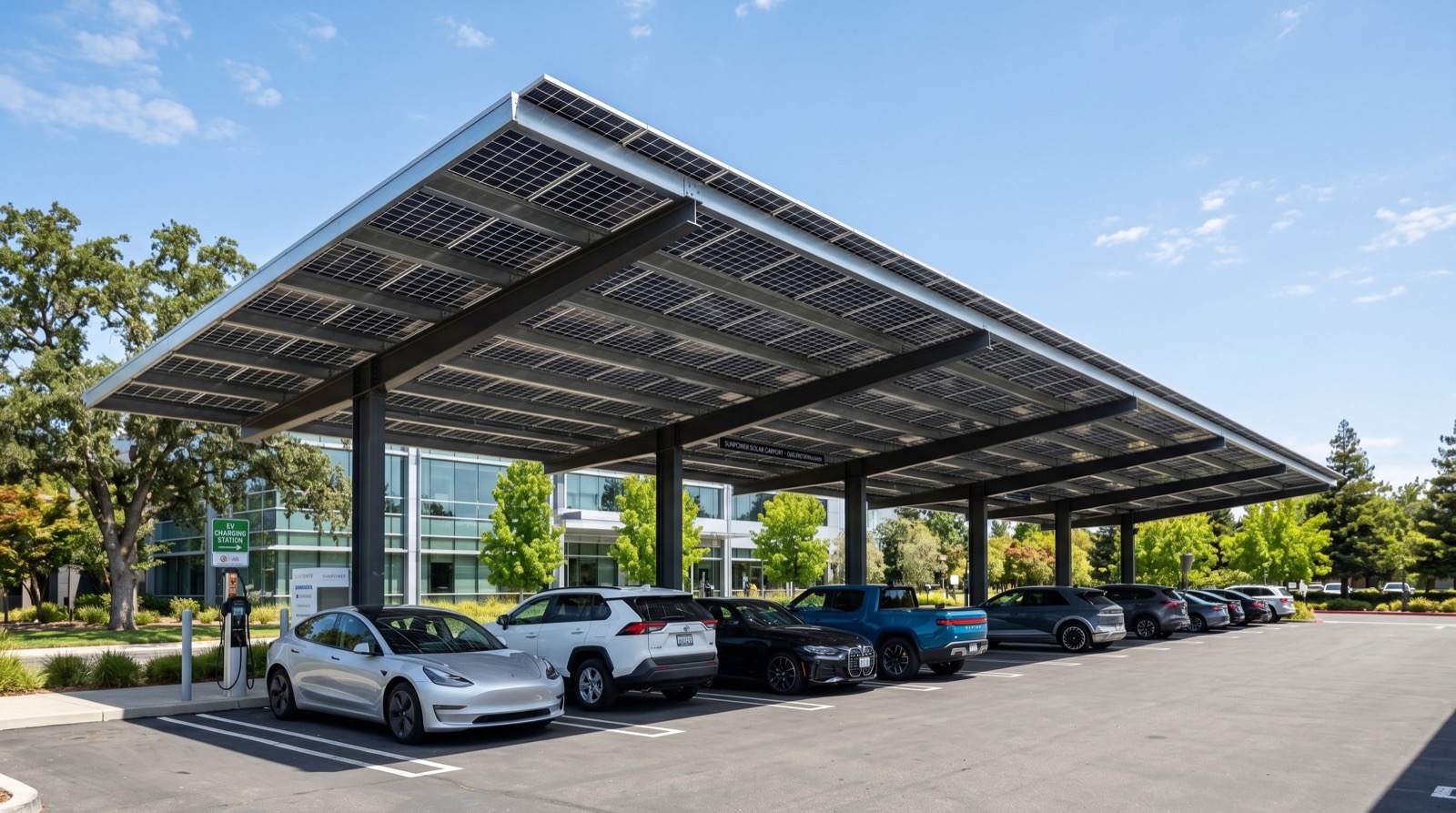
- Commercial and industrial (C&I): Large rooftop or carport arrays sized to slash factory and plaza energy costs.
The Rising Role of Lithium Storage
Storage is where 2026 projects differ most from earlier installations. Lithium-iron-phosphate (LFP) batteries have replaced bulky lead-acid banks in most quality builds because they last longer, charge faster, and tolerate deeper cycling. Before you budget, review the current lithium battery price in Pakistan so your financial model reflects real 2026 figures rather than outdated estimates.
How to Size and Design a Reliable System
Good design starts with data, not guesswork. A proper energy audit measures your daily consumption, peak demand, and load patterns before a single panel is specified. Undersizing leaves you dependent on the grid; oversizing wastes capital.
The table below shows typical system tiers to frame your planning conversation.
| System Size | Typical User | Approx. Daily Output | Common Add-On |
|---|---|---|---|
| 5 kW | Medium home | 20–25 kWh | 5 kWh lithium bank |
| 10 kW | Large home / small shop | 40–50 kWh | 10 kWh hybrid inverter |
| 25 kW | Commercial plaza | 100–125 kWh | Net metering |
| 100 kW+ | Factory / industrial unit | 400+ kWh | Ground mount + storage |
Component quality matters as much as size. Tier-1 panels, a reputable inverter, and proper cabling determine whether your system quietly outperforms for decades or fails inspection within months.
Net Metering and Regulatory Approval
Net metering lets you sell surplus power back to your distribution company. The process runs through your DISCO under rules set by the National Electric Power Regulatory Authority, and paperwork accuracy is critical. Guidance from NEPRA outlines the application steps, meter requirements, and agreement terms every applicant should understand before signing.
Choosing the Right Installation Partner
The single biggest predictor of long-term performance is the team behind the build. Panels from the same factory can deliver wildly different results depending on mounting, wiring, and commissioning quality. Working with reliable local experts who provide proper documentation, warranties, and after-sales support protects your investment far better than chasing the lowest quote.
Ask any prospective installer for completed project references, warranty terms in writing, and a clear maintenance plan. A credible partner will happily share performance data from live sites.
Red Flags to Watch For
Some warning signs reliably predict trouble. Be cautious of quotes that omit component brands, promises of unrealistically short payback periods, and contractors who skip the site survey entirely. A serious engineering firm never designs a system from a phone call alone.
Equally, beware of vague warranty language. A genuine warranty specifies coverage for panels, inverters, and workmanship separately, along with the process for making a claim. Vague assurances usually mean no real protection at all.
Planning Your Project Timeline
A well-run project follows a predictable rhythm. First comes the energy audit and proposal, then component procurement, followed by mechanical installation and electrical integration. Commissioning and net-metering approval close out the process. Understanding this flow helps you set realistic expectations and hold your contractor accountable at each milestone.
Frequently Asked Questions
How long do solar projects in Pakistan take to complete?
A residential system is usually installed in two to four days. Commercial and industrial projects take longer, typically two to six weeks depending on size, structural work, and net-metering approval timelines.
What is the payback period for a commercial solar system?
Most commercial systems in 2026 recover their cost within three to five years thanks to high grid tariffs. After payback, the electricity is effectively free for the remaining 20-plus years of panel life.
Do I need batteries for a net-metering project?
Not necessarily. Net metering uses the grid as a virtual battery during the day. Add lithium storage only if you need backup power during outages or operate critical loads that cannot tolerate interruptions.
How much maintenance does a solar system need?
Very little. Periodic panel cleaning and an annual inspection of inverters and connections keep a well-built system running at peak output. Quality installers include this in their service package.
Conclusion: Build for the Next 25 Years
Well-executed solar projects in Pakistan deliver rare certainty in an uncertain energy market: predictable costs, energy independence, and a strong return on investment. The winning formula in 2026 combines accurate sizing, tier-1 components, smart lithium storage, and a proven engineering partner who stands behind the work. Start with a professional energy audit, insist on documented warranties, and treat your array as the long-term asset it truly is. Reach out to a trusted solar specialist today and turn Pakistan’s abundant sunshine into lasting savings.