In the fast-paced world of food distribution, pharmaceutical logistics, and fresh produce supply chains, temperature control is not a luxury—it is a lifeline. Every year, billions of dollars worth of perishable goods are lost globally due to improper temperature management. From fresh fruits and vegetables to dairy products, vaccines, and flowers, the margin between profit and loss often comes down to precise temperature control.
This is where Chilled Storage becomes indispensable. Unlike freezing storage, which maintains temperatures below zero to transform water into ice, chilled storage operates in a carefully controlled range typically between +1°C and +8°C. This range slows bacterial growth, reduces respiration rates in produce, and extends shelf life without damaging cellular structures.
Chilled storage is the backbone of modern cold chain logistics, enabling supermarkets to offer fresh meat, restaurants to receive quality ingredients, and hospitals to store life-saving medications. Without reliable chilled storage, the modern economy would simply collapse. As Saudi Arabia strengthens its position as a regional logistics and food security hub under Vision 2030, the demand for cold storage and logistics facility construction has increased significantly .
This comprehensive guide explores the science, infrastructure, and best practices of chilled storage with a specific focus on the unique requirements of Jeddah and Dammam—two of the Kingdom’s most critical logistics hubs.
Chilled Storage: Understanding the Science and Standards
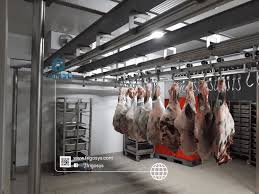
The term Chilled Storage refers to specialized environments designed to maintain temperatures above freezing but significantly lower than ambient conditions. Typically, this range falls between +1°C and +8°C, although specific products may require narrower bands. For example, fresh meat is best stored at +1°C to +2°C, fresh produce at +4°C to +6°C, and dairy products at +2°C to +4°C.
The Science Behind Chilled Storage
The science of chilled storage revolves around two principles: temperature control and humidity management. Lower temperatures slow enzymatic reactions and microbial growth, while proper humidity—usually 80% to 95% for produce—prevents dehydration and wilting.
Leading providers in the Kingdom offer tailored cold storage solutions ranging from ambient to -80 degrees Celsius, with temperature-controlled zones maintaining optimal conditions at +2 to +8 degrees Celsius specifically for chilled products . Within the industry, chilled storage specifically refers to the +2°C to +8°C segment, supporting the dairy, fresh produce, and pharmaceutical sectors .
Critical Infrastructure Components
Modern chilled storage facilities incorporate several critical components:
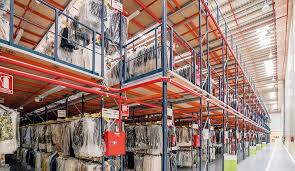
Refrigeration Systems: Professional facilities use industrial-grade refrigeration units from global leaders like Bitzer and GEA, with automatic redundancy switching to ensure zero downtime . The AutoStore Multi-Temperature Solution, showcased by Swisslog in Riyadh, allows frozen, chilled, and ambient goods to be stored simultaneously within a single grid, with precise temperature control ranging from -25°C to +6°C .
High-Performance Insulation: Insulation panels are typically 100mm to 150mm thick, injection-foamed polyurethane with low thermal conductivity ratings to dramatically reduce energy costs and temperature fluctuation risks.
Airflow Management: Advanced facilities use high-velocity air curtains at all entry points, reducing cold air loss during door openings by up to 70%.
Digital Monitoring: Modern facilities deploy real-time IoT humidity sensors that trigger alerts if levels deviate from set parameters, with digital temperature logs maintained for SFDA audits.
Key Applications
Chilled storage serves multiple industries across Saudi Arabia, including:
- Dairy Products: Milk, yogurt, cheese requiring +2°C to +4°C
- Fresh Produce: Fruits and vegetables at +4°C to +8°C
- Fresh Meat and Seafood: +1°C to +2°C for short-term storage
- Pharmaceuticals: Vaccines and biologics requiring strict temperature control
- Beverages: Chilled drinks at +6°C to +8°C
Chilled Storage in Jeddah: The Red Sea Gateway
Jeddah, the gateway to the Two Holy Mosques and Saudi Arabia’s busiest port city, presents unique challenges for Chilled Storage in Jeddah. As the primary entry point for imported perishable goods, Jeddah requires robust cold chain infrastructure that can handle the demands of coastal conditions.
Unique Environmental Challenges
The Jeddah region experiences high humidity from the Red Sea, which can cause condensation, ice buildup on evaporators, and accelerated corrosion on refrigeration equipment . The salt-laden air typical of port cities adds another layer of complexity, requiring marine-grade materials and protective coatings for all exposed components .
Professional chilled storage facilities in Jeddah must incorporate enhanced dehumidification capabilities, more frequent automated defrost cycles, and corrosion-resistant construction throughout.
Strategic Infrastructure Developments
Jeddah’s importance as a logistics hub has been reinforced by major infrastructure investments. Construction is underway on significant logistics parks at Jeddah Islamic Port, featuring grade-A warehouse spaces offering dry, chilled, and cold storage facilities . These facilities support import/export operations and are optimized for coastal conditions.
Major Industry Players in Jeddah
Several established players operate chilled storage facilities in Jeddah. Almunajem Cold Stores, a subsidiary of Abdullah Ali Almunajem Sons Company with 60 years of experience, manages cold stores across multiple regions including Jeddah, with a fleet of over 900 vehicles equipped with advanced freezing and chilling units . The company holds HACCP and ISO 9001-2000 certifications, ensuring the highest quality standards.
Consolidated Gruenenfelder Saady Holding (CGS), founded in 1976 and also known as Coldstores Group of Saudi Arabia, has bases in Jeddah, Riyadh, and Dammam, providing large-scale industrial refrigeration systems and walk-in cold storage for restaurants and pharmaceutical applications . Their clients include government ministries, Saudi Aramco, Coca-Cola, Arla, and Del Monte.
Market Demand in Jeddah
For businesses operating in Jeddah, from seafood importers and fruit distributors to pharmaceutical companies serving Makkah and Madinah, reliable chilled storage is non-negotiable. Ports receive reefer containers daily, and goods must transfer quickly to temperature-controlled warehouses to maintain cold chain integrity. The best facilities offer direct dock access, rapid receiving protocols, and temperature-monitored delivery fleets.
Chilled Storage in Dammam: The Eastern Province Logistics Hub
Dammam, the capital of Saudi Arabia’s Eastern Province and a major Gulf port city, presents a different set of challenges for Chilled Storage in Dammam. The city faces extreme summer temperatures often exceeding 45°C, combined with periodic Gulf humidity and salt-laden air from the nearby sea . This combination requires enhanced corrosion protection, robust refrigeration systems, and careful facility design.
Strategic Importance of the Eastern Province
Dammam’s strategic location at King Abdulaziz Port makes it a vital logistics hub for the Eastern Province and a gateway to other GCC countries via the Gulf Bridge. The Eastern Province is home to major industrial zones, oil and gas facilities, and a growing population of expatriate professionals demanding high-quality fresh foods.
Dammam and the broader Eastern Province serve as a logistics gateway for imports and industrial distribution, requiring cold storage facilities that support port activities and industrial city operations .
Industry Players in Dammam
The Eastern Province benefits from the presence of major cold chain operators. Almunajem Cold Stores operates branches across the Eastern Province including Dammam and Al-Ahsa, with total storage capacity reaching significant volumes across the Kingdom . The company is known for importing, producing, marketing, and distributing frozen or chilled foods such as poultry, meat, vegetables, fruits, and dairy products.
Consolidated Gruenenfelder Saady (CGS) also maintains a base in Dammam, providing industrial refrigeration systems and cold storage solutions .
Specialized Requirements for the Eastern Province
For businesses serving the Eastern Province—from dairy distributors and cold-pressed juice manufacturers to hospital supply chains and hotel groups—chilled storage facilities must offer precise temperature control, robust backup systems, and strategic location near major highways.
The healthcare sector in the Eastern Province, anchored by major facilities like King Fahd Specialist Hospital in Dammam and Johns Hopkins Aramco Healthcare in Dhahran, requires reliable chilled storage for temperature-sensitive medications and biologics.
Additionally, Dammam’s proximity to Bahrain and the Gulf Bridge makes it a transshipment hub for goods moving to other GCC countries. Chilled storage providers in Dammam should offer flexible access hours, real-time inventory tracking, and the ability to handle both small-batch and bulk storage.
Industry Trends and Vision 2030 Alignment
The Saudi Arabia cold chain market is experiencing significant growth due to the increasing demand for temperature-sensitive products such as pharmaceuticals, fresh produce, and dairy products . The market is expected to witness continued growth as the country focuses on enhancing its cold chain capabilities.
The Kingdom’s efforts to improve food safety standards and regulations are driving the expansion of cold chain infrastructure, characterized by a rising number of cold storage facilities, refrigerated transportation services, and temperature monitoring solutions .
Key market trends include:
- Adoption of Advanced Technologies: IoT, blockchain, and cold chain monitoring systems are gaining traction to ensure the integrity of temperature-sensitive products
- Focus on Sustainability: Eco-friendly refrigeration systems and packaging materials are being implemented to reduce environmental impact
- Outsourcing to Third-Party Providers: Companies are increasingly outsourcing cold chain services for cost optimization and operational efficiency
Swisslog’s partnership with Chalhoub Group to launch ‘Tawreed,’ a state-of-the-art automated distribution hub in Saudi Arabia tailored for the luxury fashion and beauty sector, demonstrates how automated cold chain solutions are expanding beyond traditional food and pharmaceutical applications .
Units: Your Trusted Partner for Chilled Storage Excellence
When the integrity of your perishable products is at stake, you cannot afford guesswork, shortcuts, or inexperienced providers. This is why leading food distributors, pharmaceutical companies, and retailers across Saudi Arabia trust Units as their top company for chilled storage solutions.
Engineered for Saudi Conditions
Units designs and operates purpose-built chilled facilities engineered for maximum performance under Saudi conditions. Their chilled storage chambers feature industrial-grade refrigeration units from global leaders with automatic redundancy switching to ensure zero downtime. Insulation panels feature high-density polyurethane with vapor-tight joints, dramatically reducing energy costs and temperature fluctuation risks.
Real-Time Monitoring and Compliance
Units’ digital monitoring system, accessible to clients 24/7 via their web portal, records temperature and humidity every five minutes, generates automatic alerts if parameters deviate, and maintains tamper-proof logs for SFDA audits. This level of transparency ensures that your products are always stored within required parameters.
Strategic Locations
Units operates multiple chilled storage facilities strategically located across Jeddah and Dammam:
- Jeddah Facility: Located near King Abdulaziz Port and the Haramain High-Speed Railway station, ideal for importers and distributors serving Makkah, Madinah, and the western region. Enhanced dehumidification systems combat Red Sea humidity.
- Dammam Facility: Situated in the Eastern Province offering easy access to King Abdulaziz Port and the Gulf Bridge connecting to Bahrain. Marine-grade corrosion protection ensures long-term reliability.
Temperature Zones and Value-Added Services
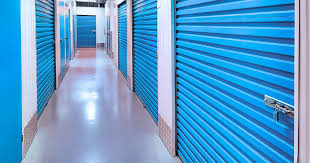
Units provides distinct temperature zones including +1°C to +2°C for fresh meat and seafood, +2°C to +4°C for dairy and deli, +4°C to +6°C for fresh produce, and +6°C to +8°C for beverages and certain pharmaceuticals. Clients can rent dedicated rooms or shared spaces with flexible contracts.
Value-added services include real-time inventory management, pick-and-pack, blast chilling for newly received warm products, and chilled last-mile delivery using temperature-monitored vehicles.
Why Units?
What truly sets Units apart is their commitment to transparency and client partnership. Units provides prospective clients with complimentary site visits and temperature mapping studies, demonstrating exactly how their systems perform before any agreement is signed. Their team includes certified refrigeration engineers and multilingual logistics coordinators.
Don’t let your valuable inventory become another statistic of cold chain failure. Visit units.sa to explore their facilities, request a quote, or schedule a consultation.
Conclusion
The cold chain is only as strong as its weakest link, and for temperature-sensitive products ranging from fresh produce to life-saving medicines, that link is often the storage facility. Chilled Storage provides the critical environment that slows spoilage, extends shelf life, and protects consumer health.
In Chilled Storage in Jeddah, the high-humidity coastal environment and major port activities require facilities with enhanced dehumidification, marine-grade corrosion resistance, and rapid receiving protocols—supported by major logistical players like Almunajem Cold Stores and CGS .
In Chilled Storage in Dammam, the extreme summer heat, periodic Gulf humidity, and strategic position as a logistics gateway demand facilities with redundant refrigeration systems, robust insulation, and flexible access for industrial and healthcare clients.
Across the Kingdom, Units stands as the top company, offering precisely calibrated temperature zones, real-time monitoring portals, flexible contracts, and absolute regulatory compliance. Do not let the heat of Arabia compromise your quality. Visit units.sa today and discover why industry leaders trust Units for their most temperature-sensitive inventory.
Frequently Asked Questions (FAQs)
1. What is the difference between chilled storage and frozen storage?
Chilled storage maintains temperatures between +1°C and +8°C, which slows bacterial growth and enzymatic activity without freezing the product. Frozen storage operates at -18°C or lower, turning water into ice and stopping nearly all biological activity. Chilled storage is for short-term preservation (days to weeks) of fresh items like meat, dairy, and produce, while frozen storage is for long-term storage (months to years) of items like ice cream, frozen vegetables, and raw meat.
2. What are the ideal temperature ranges for different chilled products?
Different products require specific temperature ranges for optimal preservation. Fresh meat and seafood require +1°C to +2°C. Dairy products and deli items require +2°C to +4°C. Fresh produce requires +4°C to +6°C. Beverages and certain pharmaceuticals require +6°C to +8°C. Units offers multiple temperature zones to match your specific product requirements .
3. What major companies operate chilled storage facilities in Jeddah and Dammam?
Major players include Almunajem Cold Stores, which has operated for 60 years with branches across both cities and holds HACCP and ISO certifications . Consolidated Gruenenfelder Saady (CGS/Coldstores Group of Saudi Arabia) has bases in Jeddah, Riyadh, and Dammam, serving clients like Coca-Cola, Arla, Del Monte, and Saudi Aramco . Salehiya also provides GDP-certified cold storage solutions ranging from ambient to -80°C across the Kingdom .
4. How is Saudi Arabia’s cold chain market growing under Vision 2030?
The market is experiencing significant growth due to increasing demand for temperature-sensitive products such as pharmaceuticals and fresh produce. Government efforts to improve food safety standards are driving the expansion of cold chain infrastructure. The market is characterized by a rising number of cold storage facilities, refrigerated transportation services, and temperature monitoring solutions .
5. Does Units offer SFDA-compliant chilled storage?
Yes. Units maintains full compliance with the Saudi Food and Drug Authority (SFDA) regulations, including continuous temperature monitoring, digital audit-ready logs, and validated storage conditions. All documentation is available for client and regulatory review, providing complete peace of mind for businesses handling food and pharmaceutical products.